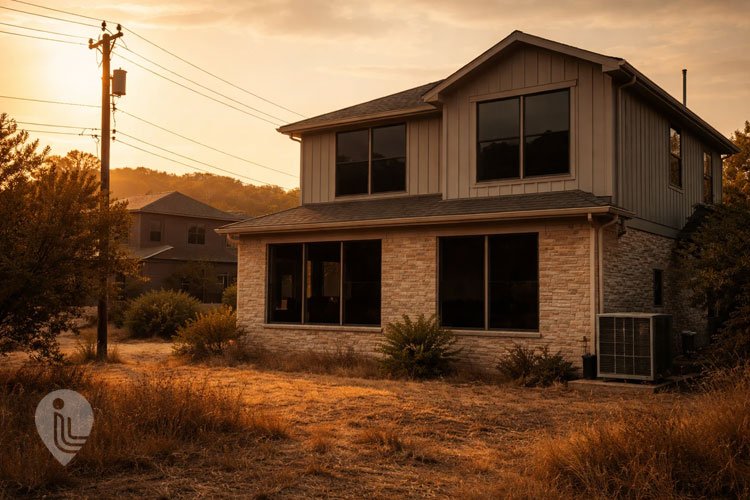

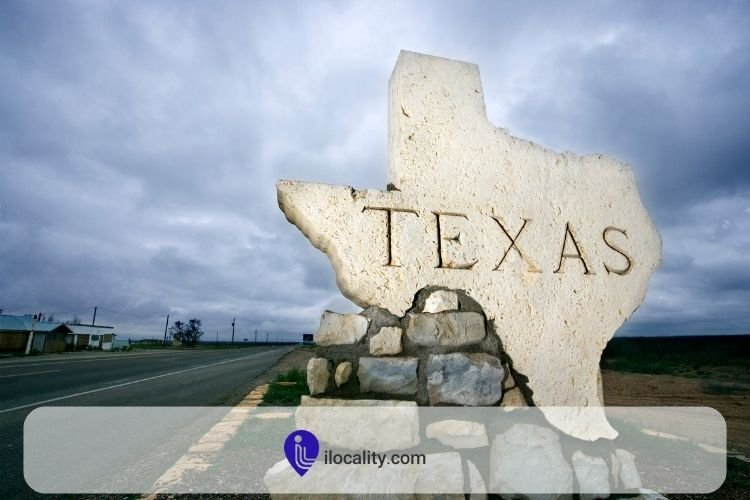

Moving to Texas is about more than a change in climate or scenery—it’s a strategic move toward opportunity, diversity, and economic growth. As the second-largest state, Texas draws people for its converging cultures, landscapes, and business prospects, driven largely by its business-friendly reputation and a reasonable cost of living compared to coastal states.
Before relocating to Austin’s “Silicon Hills” or Houston’s energy-driven economy, it’s important to understand the realities of everyday life in Texas. From a deregulated energy market to higher-than-expected property taxes, moving here requires more than enthusiasm—it requires planning. To facilitate that planning, this guide breaks down the key aspects of life in Texas so you can arrive with realistic expectations. Whether you’re chasing career opportunities or simply looking for more space, understanding the local financial and environmental landscape will help you make a smoother transition. Let’s begin by exploring the state’s unique financial landscape.
Navigating the Financial Landscape of the Lone Star State
Understanding how Texas handles taxes and everyday expenses is one of the most important steps for newcomers. Texas is well known for not having a personal state income tax, which means more of your paycheck stays in your pocket. For professionals and business owners, this is often a major reason for choosing the state. That said, it’s a mistake to assume Texas is low-tax overall.
Without income tax revenue, the state relies heavily on property taxes and sales taxes to fund public services and infrastructure. Texas consistently ranks among the states with the highest property tax rates in the country. While home prices and mortgage payments may be lower than in many other states, annual property tax bills can come as a surprise. In most metropolitan areas, sales tax also reaches the maximum rate of 8.25%. For anyone moving to Texas in 2026, it’s essential to look beyond the purchase price of a home and consider the full cost of ownership.
- No State Income Tax: A larger portion of your earnings stays with you, often making a noticeable difference in monthly cash flow.
- High Property Taxes: Homeowners typically pay annual property taxes ranging from 1.7% to 2.5% of a property’s assessed value. The exact percentage depends on both the municipality’s and the school district’s funding needs. For example, on a $300,000 home, this could result in an annual tax bill of $5,100 to $7,500.
- Deregulated Energy Market: Most Texans can choose their electricity provider. This can lower costs if you shop carefully, but contracts require attention.
- Toll Roads: In cities like Dallas, Houston, and Austin, extensive toll networks mean that regular commuters may spend $100 to $300 per month in toll charges, depending on route and frequency of use.
Texas Climate Realities and Environmental Adjustments
Texas weather varies widely by region, but heat is the one factor nearly every newcomer must adapt to. In 2026, summers remain long and intense, with temperatures regularly climbing above 100°F for extended periods. This affects daily routines—from when you exercise to how you cool your home and plan your commute. Winters are generally mild, particularly in southern areas, but Texas is no stranger to extreme weather.
Different regions face different risks. The Gulf Coast faces hurricanes and flooding; Central Texas—often referred to as “Flash Flood Alley”—experiences sudden, heavy rainfall; and North Texas sits near the edge of Tornado Alley. The winter storm of 2021 also remains a reminder that even a warm-weather state can face severe cold that stresses the power grid. As a result, preparing a home for a wide range of conditions is simply part of living in Texas.
- Summer Heat: Air conditioning is essential, not optional, and electricity bills are highest from June through September.
- Regional Weather Risks: Flood zones, hailstorms, and tornado activity should all be considered when choosing a neighbourhood.
- Seasonal Allergies: Central Texas is especially known for “Cedar Fever,” which affects many residents during the winter months.
- Water Restrictions: Ongoing drought conditions mean many areas enforce long-term limits on lawn watering and landscaping.
Texas Job Market and Economic Diversity
Texas has long moved beyond its reputation as an oil-and-gas-only economy. By 2026, the state will have established itself as one of the most diverse job markets in the country. Strong growth continues across technology, aerospace, healthcare, renewable energy, and advanced manufacturing. Austin remains a major tech hub, the Dallas–Fort Worth metroplex hosts a large concentration of corporate headquarters, and Houston continues to lead the global energy sector while expanding into life sciences and space-related industries.
This economic strength provides opportunities for newcomers, but it also brings competition. Rapid growth has increased housing demand, traffic congestion, and pressure on local infrastructure in many cities. Because public transportation options are limited in much of Texas, commute times can be long. For those relocating for work, living closer to the office can significantly improve quality of life.
Texas is home to more Fortune 500 companies than any other U.S. state, offers a supportive regulatory environment for startups, and continues to attract investment capital from across the country. These factors make it an appealing destination for both established professionals and first-time business owners.
Conclusion
Moving to Texas in 2026 means choosing a state where opportunity, economic momentum, and diverse lifestyles converge. The trade-offs—higher property taxes, a tougher climate, and the need to adapt—are real, but the chance to thrive is significant if you understand the realities involved.
By preparing for Texas’s distinct taxes, climate, and industries, you can make an informed and advantageous move. Embrace the opportunities, stay prepared, and let Texas be a place for lasting stability and success.